The End of Glass: How SynapseCore’s 'Neural-Scribe' Just Made Your Smartphone Obsolete
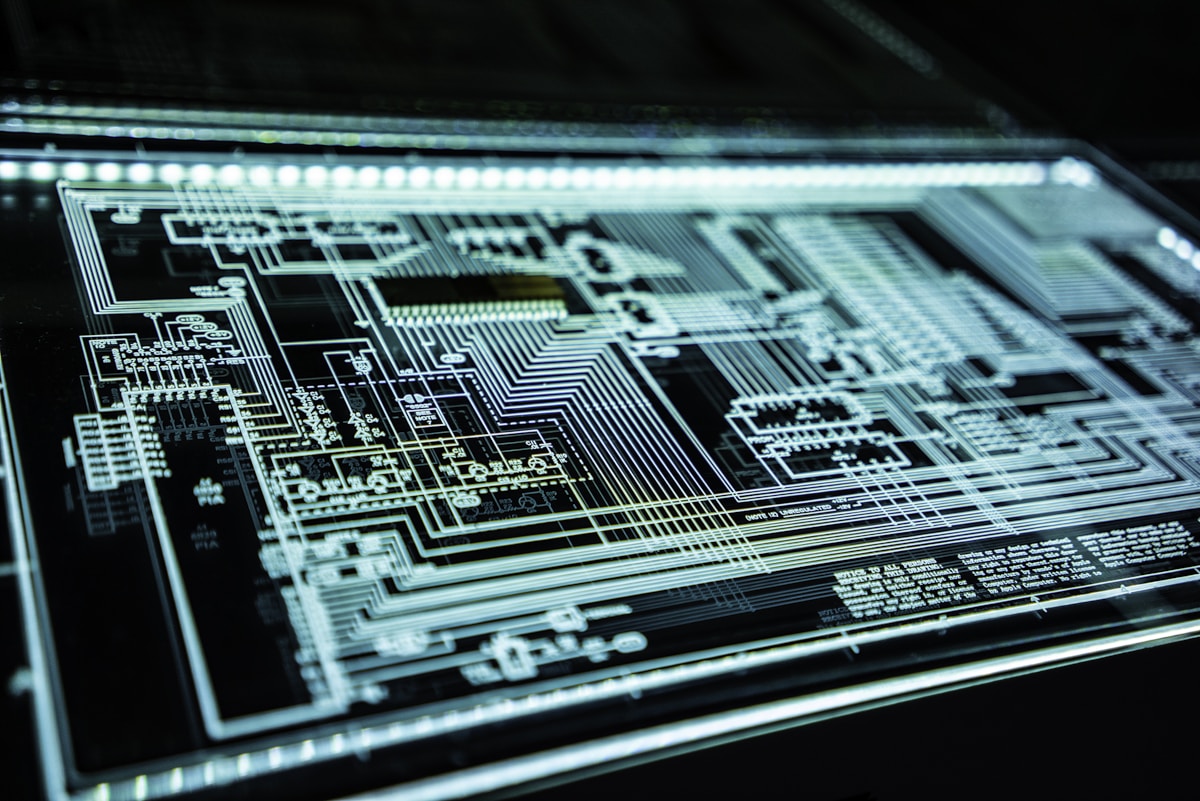
The End of Glass: How SynapseCore’s 'Neural-Scribe' Just Made Your Smartphone Obsolete
The Morning the World Stopped Looking Down
On the morning of January 18, 2026, the tech industry didn't just shift; it shattered. Standing on a modest stage in Austin, Texas, SynapseCore CEO Elena Vance did something no one expected: she walked out with empty hands, no headset, and no smartphone. Behind her, a live feed of her visual cortex showed a shimmering, 12K-resolution desktop floating in the air, invisible to the naked eye but crystal clear to her brain.
Neural-Scribe is not a gadget. It is a biological upgrade. Using a proprietary technology called 'Focused Ultrasonic Neural Projection' (FUNP), the device—a small, adhesive patch worn behind the ear—bypasses the optic nerve entirely. It transmits data directly to the visual and auditory cortex using low-frequency ultrasonic waves that stimulate neurons with surgical precision.
Why This Changes Everything
For three decades, we have been slaves to the glass rectangle. We’ve suffered from 'tech neck,' blue-light insomnia, and the physical limitations of a 6-inch screen. SynapseCore has effectively deleted the hardware layer of the internet. Here is why this is an industry-shaking breakthrough:
- Zero Latency Interaction: Because the device interfaces with the motor cortex, users can 'type' or 'click' simply by thinking about the movement. In testing, users achieved 250 words per minute without moving a muscle.
- True Augmented Reality: Unlike the bulky Vision Pro or the failed glasses of the early 2020s, there is no field-of-view limitation. Your entire peripheral vision is a canvas.
- Energy Efficiency: The Neural-Scribe consumes less power than a pair of Bluetooth headphones, as it doesn't need to power millions of physical LEDs.
The Death of the Silicon Giants?
The market reaction was instantaneous. As the demo concluded, shares in major display manufacturers plummeted. If you don't need a screen, you don't need a smartphone. If you don't need a smartphone, the entire ecosystem of the 'App Store' as we know it is up for grabs. SynapseCore announced an open-source OS, CerebroOS, inviting developers to build 'thought-apps' that function as background processes for human consciousness.
Privacy in the Age of Thought
Critics are already sounding the alarm. If a device can project images into your brain, can it also read the data inside? Vance addressed this head-on, claiming the FUNP technology is 'one-way only' by physical design. However, the ethical implications of 'Neural-Spam' or the potential for hacking a visual stream are terrifying. Imagine a ransomware attack that literally blinds you until you pay a fee in Bitcoin. This isn't just a tech evolution; it's a legal and moral frontier.
The Technical Specs
The 'Scribe' patch contains a 2nm 'Bio-Silicon' chip, a series of 128 ultrasonic transducers, and a battery that lasts for 72 hours on a single 5-minute wireless charge. It connects to the 6G network directly, meaning it doesn't even need a companion device. It is the device.
Conclusion: Welcome to the Post-Screen Era
We will look back at January 18, 2026, as the day we finally looked up. The screens that have dominated our lives for twenty years have become invisible. They are now part of us. While the 'Neural-Scribe' won't hit consumer shelves until Q4, the message is clear: The future isn't in your pocket. It's in your head.
🚀 Join the Evolution
This is just the beginning of the Brain-Computer Interface era. Subscribe to stay ahead of the curve.
Subscribe NowPhoto via Unsplash
Post a Comment