The Silicon Grave: Why the 1/30/2026 'Bio-Logic' Launch Just Killed the Cloud Industry Overnight
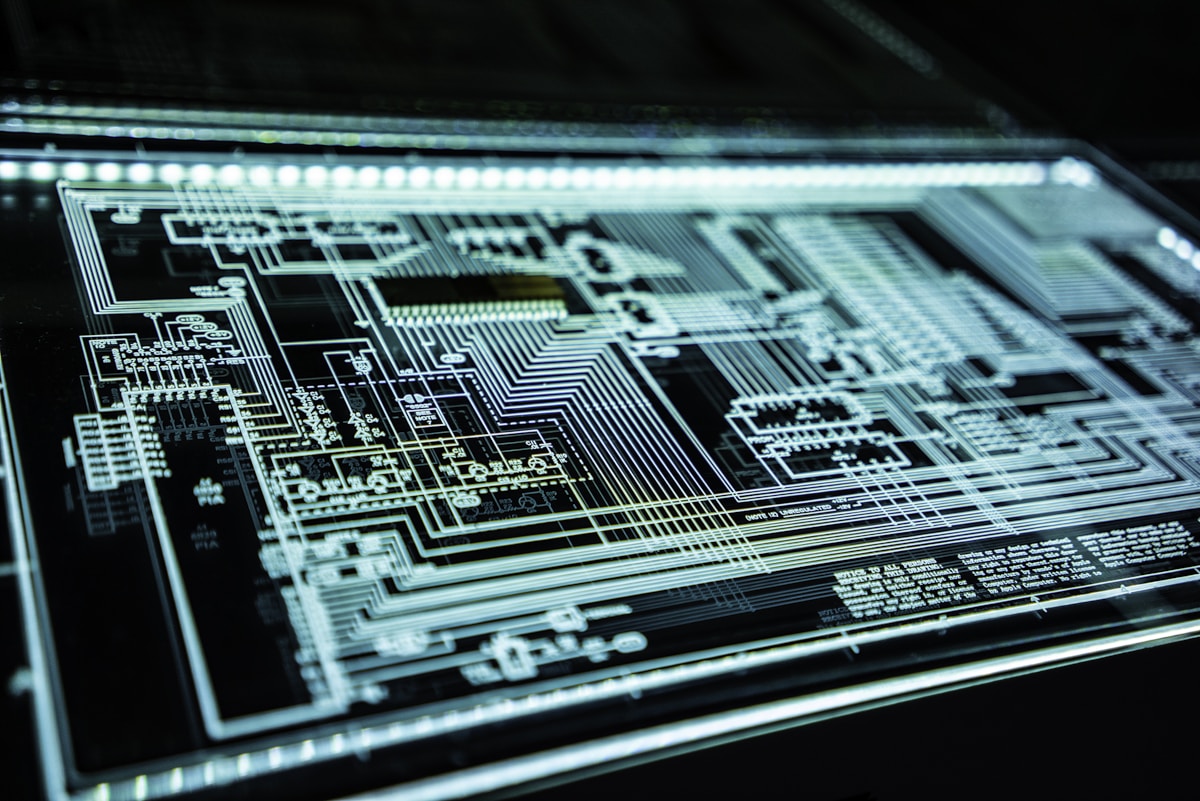
The Silicon Grave: Why the 1/30/2026 'Bio-Logic' Launch Just Killed the Cloud Industry Overnight
The Day the Servers Stood Still
Today, January 30, 2026, will be remembered as the funeral for the traditional data center. At 9:00 AM PST, Helix Corp CEO Sarah Chen stood on a stage in San Jose and did the unthinkable: she dropped a single vial of translucent liquid onto a micro-sensor, instantly indexing 400 exabytes of data—roughly the equivalent of the entire internet’s current critical archives—onto a device the size of a postage stamp. This isn't just a new gadget; it is the Bio-Logic Interface, and it has effectively ended the era of silicon-based cloud computing.
The Science of the 'Living' Smartphone
The breakthrough lies in synthetic DNA synthesis miniaturization. For decades, storing data in DNA was a slow, multi-million dollar process reserved for government labs. Helix Corp has successfully integrated a microfluidic 'sequencer-on-a-chip' into a consumer-grade handheld device. This allows for:
- Infinite Archiving: Your entire life's history—every photo, 8K video, and thought—stored in a biological medium that lasts 10,000 years.
- Zero-Power Retention: Unlike SSDs or server farms that require massive cooling and electricity, DNA storage requires zero power to maintain data integrity.
- Biological Encryption: Data is encoded using your own unique genetic markers as the decryption key.
Why AWS, Google, and Azure Are Scrambling
The economic implications are staggering. For the last decade, the tech economy has been built on 'The Cloud.' Companies pay billions to rent space on someone else's silicon. With the Bio-Logic breakthrough, the 'Cloud' is now localized to the palm of your hand. The massive cooling towers in Virginia and the underwater data centers in the North Sea have become, overnight, the digital equivalent of the steam engine.
Technical Specifications: The 'Ouroboros' Chip
The heart of this revolution is the Ouroboros chip. It utilizes a hybrid architecture where standard silicon handles the interface (UI), while a biological core handles the heavy lifting of storage and neural processing. Industry analysts are calling it the 'Wetware Revolution.' By leveraging the 1:1 efficiency of biological data processing, the device performs at speeds that make the previous generation's M4 or Snapdragon chips look like calculators.
The Ethical Minefield
However, the breakthrough isn't without controversy. Privacy advocates are already sounding the alarm over 'Bio-Hacking.' If your data is stored in synthetic DNA, can it be corrupted by a biological virus? Helix Corp claims their 'immune-firewall' is impenetrable, but the Global Tech Ethics Board has already scheduled an emergency hearing for next Tuesday. Key concerns include:
- The potential for unauthorized genetic data harvesting.
- The environmental impact of mass-producing synthetic DNA.
- The widening 'biological divide' between those who can afford the upgrade and those left on legacy silicon.
What This Means for You
If you are a consumer, the message is clear: Stop buying external hard drives. Stop paying for cloud subscriptions. The device launching today represents a shift from renting your digital existence to owning it biologically. We are moving from the Information Age into the Biological Intelligence Age. The question isn't whether you'll buy a Bio-Logic phone, but whether you're ready to carry the sum of human knowledge in your pocket.
The Road Ahead
As we watch the stock prices of traditional hardware manufacturers plummet this afternoon, one thing is certain: the world changed at 9:01 AM. We have officially moved past the limitations of physics and into the possibilities of biology. Silicon was a great bridge, but we have finally reached the other side.
🚀 Join the Evolution
This is just the beginning of the BioTech era. Subscribe to stay ahead of the curve.
Subscribe NowPhoto via Unsplash
Post a Comment