Forget Neuralink: This 'Digital Halo' Just Made Every Screen on Earth Obsolete
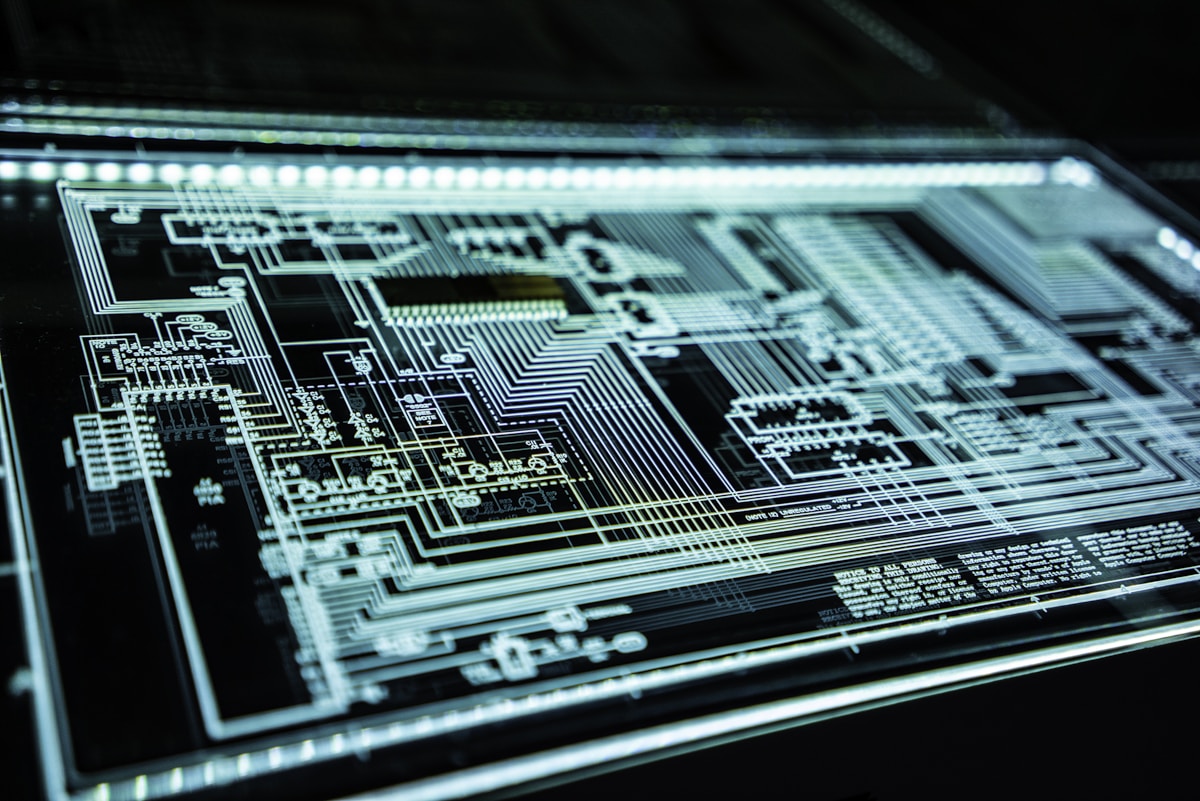
Forget Neuralink: This 'Digital Halo' Just Made Every Screen on Earth Obsolete
The Day the Glass Died
Today, February 17, 2026, will be remembered in history books as the day the 'screen' became a vintage artifact. In a surprise keynote that has sent shockwaves through the NASDAQ, startup NeuroMesh unveiled 'The Halo'—a non-invasive, high-bandwidth brain-computer interface (BCI) that achieves what Elon Musk’s Neuralink promised, but without a single surgical drill.
What is The Halo?
The device is a sleek, carbon-fiber band that sits subtly around the crown of the head. Using Synaptic Induction Sensors (SIS), it translates neural firing patterns into data streams at a staggering 1.2Gbps. Unlike previous EEG attempts that were noisy and unreliable, The Halo uses a proprietary room-temperature superconductor layer to filter cortical noise, allowing for pixel-perfect visual overlays directly onto the visual cortex.
Why This Changes Everything
For the last two decades, we have been slaves to rectangles in our pockets. The Halo eliminates the interface gap. Here is what life looks like as of this morning:
- Instantaneous Communication: You don't text; you 'think-cast'. A message is sent at the speed of thought.
- Infinite Workspace: Why buy a 27-inch monitor when your entire field of vision is a 16K canvas?
- Perfect Memory: The integrated 'Neural-Cloud' allows for real-time indexing of everything you see and hear, searchable by thought.
The End of the Smartphone Era
Apple and Samsung shares have plummeted 15% in pre-market trading. The reason is simple: The Halo costs $499. For the price of a mid-range phone, users gain access to a world where physical hardware is redundant. We are witnessing the 'dematerialization' of personal electronics. No more cameras, no more keyboards, no more glass.
Privacy in the Age of Thought-Data
However, the breakthrough isn't without controversy. Critics are already pointing to the 'Open Mind' protocol used by NeuroMesh. If the device can read your intentions to move a cursor, what else can it read? The company insists on Local-Only Encryption (LOE), where raw neural data never leaves the headband, only the 'intent-vectors' are uploaded. But in a world where your thoughts are the UI, the concept of a 'private thought' may become a luxury of the past.
The Verdict
We have spent 50 years trying to make computers more like us. Today, NeuroMesh finally made us the computer. This isn't just a gadget; it's a speciation event. The 'Digital Halo' is the bridge to the next stage of human evolution, and the silicon valley we knew is officially dead. The question isn't whether you'll buy one—it's whether you can afford to stay 'unplugged' in a world that is now thinking at the speed of light.
🚀 Join the Evolution
This is just the beginning of the Brain-Computer Interface era. Subscribe to stay ahead of the curve.
Subscribe NowPhoto via Unsplash
Post a Comment