Silicon is Dead: This 'Living' Bio-Processor Just Cracked the Turing Ceiling and Your GPU is Now a Paperweight
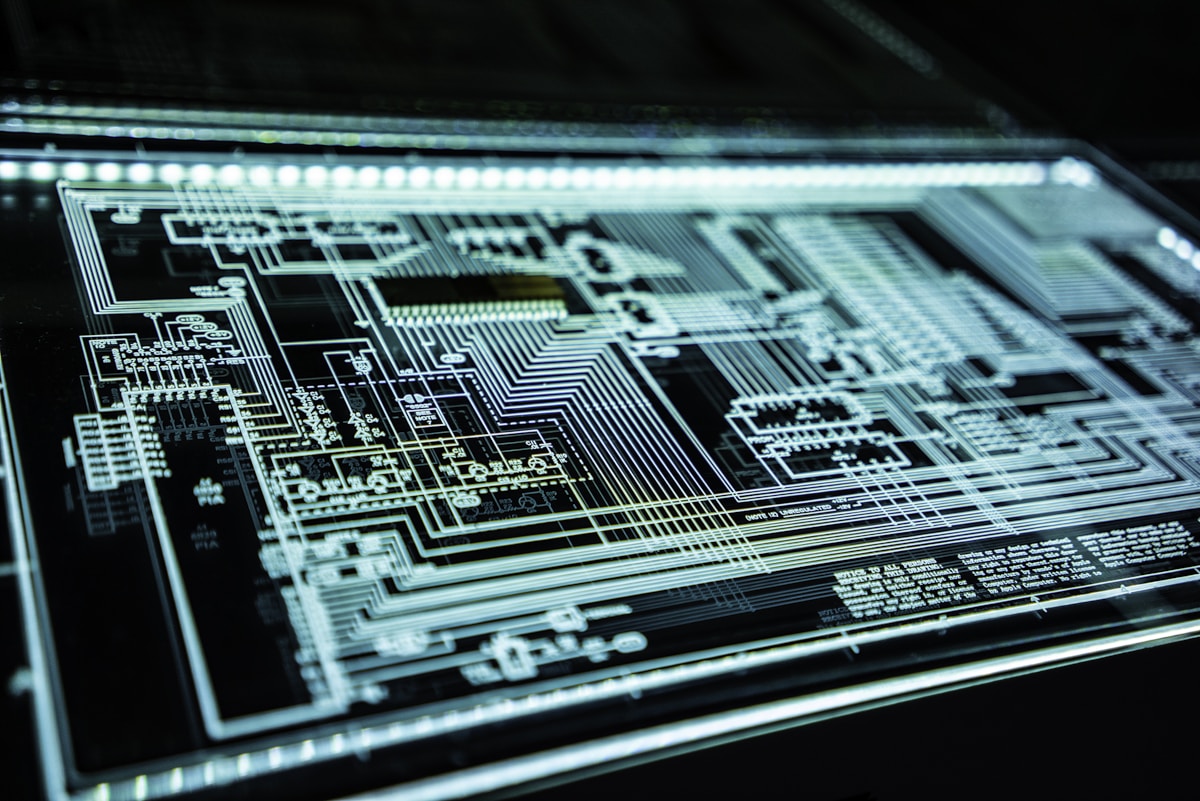
Silicon is Dead: This 'Living' Bio-Processor Just Cracked the Turing Ceiling and Your GPU is Now a Paperweight
The Day the Transistor Died
Today, February 11, 2026, will be remembered as the funeral for the silicon era. For seventy years, we have lived by the gospel of Moore’s Law, pushing electrons through etched rocks. But this morning in Zurich, a startup called SynapseCore didn't just break the law—they rewrote the physics of computation entirely. They have successfully commercialized the first Neural-Lattice Bio-Processor (NLBP), a 'living' chip grown from synthetic protein chains that processes information identically to a human brain.
Why Your RTX 5090 is Suddenly Obsolete
The numbers coming out of the SynapseCore keynote are, quite frankly, terrifying for the incumbents like NVIDIA and AMD. The V1 'Enigma' chip does not use binary logic gates. Instead, it utilizes multi-state synaptic plasticity. While a traditional GPU consumes hundreds of watts to simulate a neural network, the Enigma chip runs the same workload using micro-watts of power—literally powered by a sugar-based electrolyte solution that mimics human blood.
- Energy Efficiency: 10,000x more efficient than current H200 clusters.
- Latency: Near-zero 'synaptic' delay due to massive 3D interconnectivity.
- Self-Healing: The chip can actually repair minor physical damage by regrowing protein bonds.
The End of the Data Center Energy Crisis
We’ve been sounding the alarm on AI’s energy consumption for years. In 2025, data centers consumed nearly 5% of global electricity. SynapseCore’s breakthrough changes the math overnight. A server rack that previously required a dedicated cooling tower can now be cooled by a simple liquid circulation system no more complex than a car radiator. "We aren't just building faster computers," said Dr. Elena Vance, CEO of SynapseCore. "We are building a more sustainable intelligence."
Is It Alive? The Ethical Minefield
The controversy, of course, isn't just about the specs. Because these processors are grown from synthetic biological material, the ethical implications are staggering. While the protein chains are non-sentient, they exhibit emergent learning behaviors that look hauntingly organic. The NLBP doesn't need to be 'programmed' in the traditional sense; it is 'trained' through chemical stimulation, much like a biological organism learning a new reflex.
Industry Impact: The Great Migration
The ripple effects are already hitting the market. Within minutes of the announcement, shares in traditional semiconductor materials plummeted, while biotech and 'Wetware' infrastructure stocks soared. We are looking at a future where:
- Mobile Devices: Your smartphone could have the power of a supercomputer with a battery that lasts for months.
- Edge AI: Drones and robots will have onboard 'brains' capable of complex reasoning without needing a cloud connection.
- Medical Tech: Direct neural interfaces that speak the same 'language' as our own nervous system.
The 2027 Outlook
SynapseCore plans to ship the first 5,000 units to Tier-1 research labs by Q3. If the performance holds up in real-world environments, the silicon-based AI boom will be seen as a mere 'steam engine' phase of computing—clunky, hot, and inefficient. The future is wet, organic, and incredibly fast. Stay tuned as we head to the lab floor for a first-hand look at the Enigma V1 in action.
🚀 Join the Evolution
This is just the beginning of the BioComputing era. Subscribe to stay ahead of the curve.
Subscribe NowPhoto via Unsplash
Post a Comment