Silicon Valley is Dead: Synapse-X Unveils the 'Wetware' Chip That Stores Your Entire Life in a Drop of Fluid
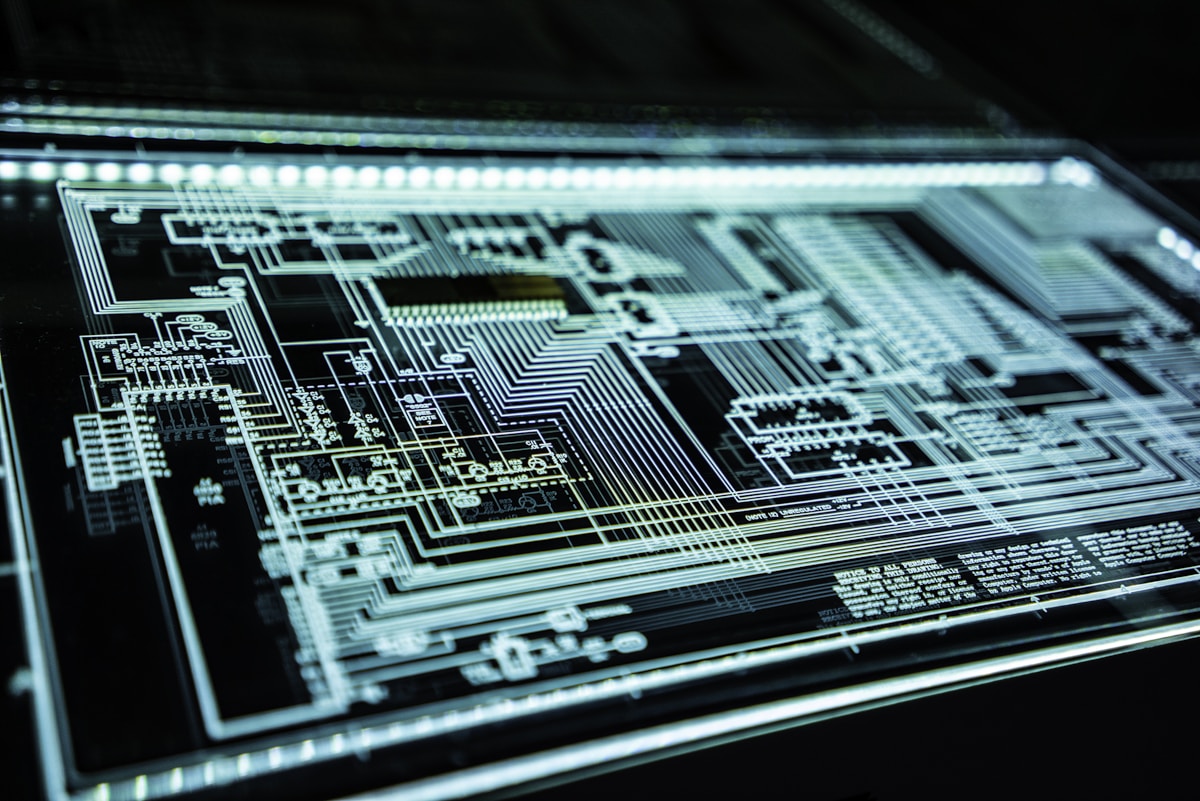
Silicon Valley is Dead: Synapse-X Unveils the 'Wetware' Chip That Stores Your Entire Life in a Drop of Fluid
The Day the Silicon Stopped Cold
Today, February 9, 2026, will be remembered as the day the semiconductor industry officially entered its twilight. In a surprise keynote delivered from a nondescript laboratory in Zurich, startup Synapse-X unveiled the Bio-Pulse 1, the world’s first commercially viable DNA-based processing unit (DPU). This isn’t just an incremental upgrade; it is a fundamental shift from inorganic computing to biological 'wetware.'
Why This Changes Everything
For decades, we have been hitting the physical limits of Moore’s Law. We tried 2nm chips, we tried 3D stacking, and we tried light-based computing. But the Bio-Pulse 1 ignores the silicon roadmap entirely. Instead, it uses synthesized DNA strands to store and process data. The result? A chip the size of a fingernail that can store one petabyte (1,000 terabytes) of data and perform complex logic operations using zero electricity at rest.
- Zero Heat Emission: Unlike the glowing heaters in our current laptops, DNA computing operates at room temperature through biochemical reactions.
- Infinite Longevity: While SSDs degrade in a decade, DNA-encoded data can remain stable for thousands of years.
- Glucose-Powered: The chip is powered by a micro-fluidic 'blood' cell that converts simple glucose into the chemical energy needed for processing.
The End of the Data Center Era
Imagine a world where the massive, energy-hungry data centers of Northern Virginia and Iceland are replaced by a single room of biological vats. Synapse-X CEO, Dr. Aris Thorne, demonstrated this by live-encoding the entire Library of Congress into a liquid droplet during the presentation. "We are no longer building machines," Thorne stated. "We are growing them."
What This Means for Your Smartphone
The first consumer application will be the Bio-Pulse Mobile module. Slated for integration into the next generation of flagship devices, this chip will allow users to carry their entire digital history—every 4K video, every photo, every email ever sent—locally on their device with no cloud required. Privacy advocates are hailing this as the 'Great Decentralization,' while cloud giants like Google and AWS saw their stock prices tumble by 15% in pre-market trading.
The Ethical Minefield
Of course, with biological computing comes a host of new concerns. Critics are already pointing to the potential for 'digital viruses' to become literal biological threats. If our phones are running on synthetic DNA, what happens if that code is modified to interact with human biology? Synapse-X insists their 'Bio-Firewall' is unhackable, but the history of tech suggests otherwise.
Conclusion: A New Chapter for Humanity
As we stand here on February 9, 2026, the transition from the Information Age to the Biological Age has officially begun. The Bio-Pulse 1 is more than a gadget; it is the first bridge between the digital world and the living world. The silicon era was a necessary stepping stone, but the future is wet, warm, and terrifyingly efficient. Silicon Valley might be dead, but the future of tech has never been more alive.
🚀 Join the Evolution
This is just the beginning of the BioTech era. Subscribe to stay ahead of the curve.
Subscribe NowPhoto via Unsplash
Post a Comment