The Death of the GPU: How NeuroCore’s ‘Blood-Powered’ Synapse-1 Just Ended the Silicon Age
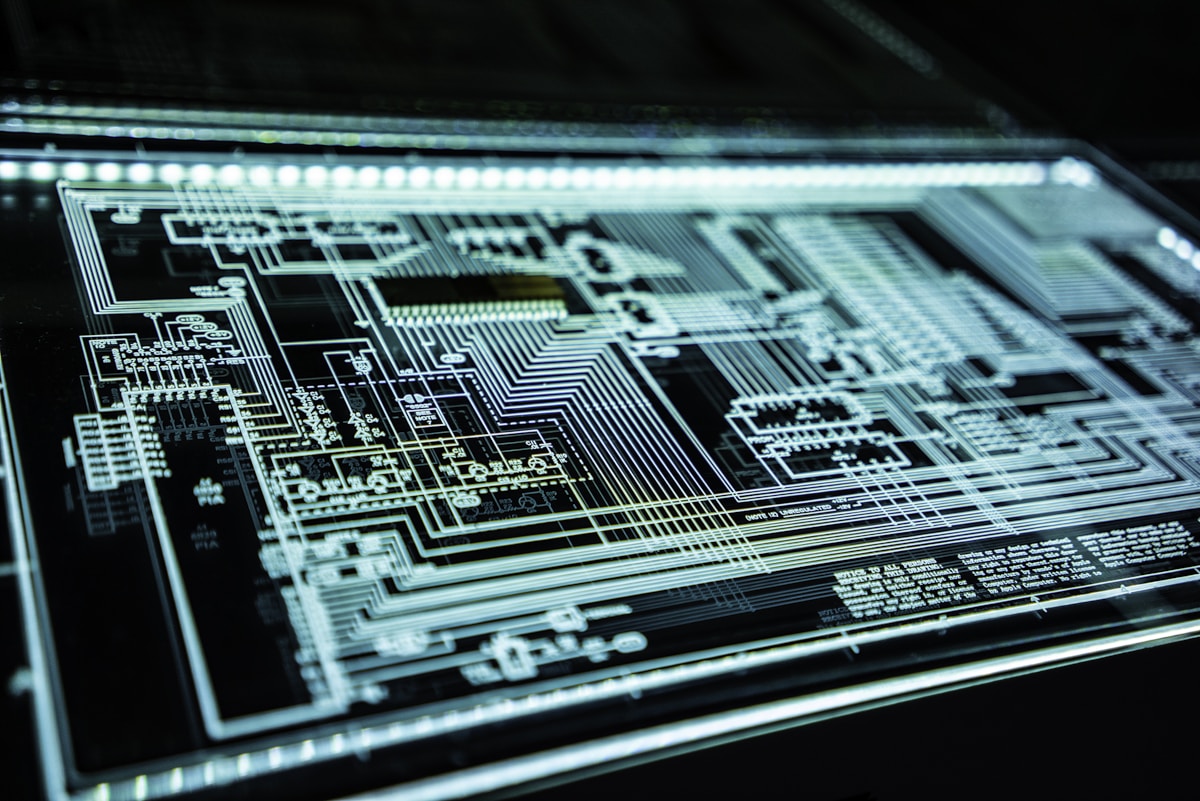
The Death of the GPU: How NeuroCore’s ‘Blood-Powered’ Synapse-1 Just Ended the Silicon Age
The Day the Fans Stopped Spinning
For decades, the trajectory of computing has been defined by a brutal, heat-syncing arms race. More transistors, more electricity, more cooling. But today, February 5, 2026, that era officially entered its twilight. In a surprise keynote that has sent NVIDIA and AMD stocks into a freefall, the startup NeuroCore unveiled the Synapse-1: the world’s first commercially viable biomorphic-silicon hybrid processor.
The breakthrough isn't just about speed—it’s about the fuel. The Synapse-1 doesn't rely solely on traditional electrical grids. Instead, it utilizes a proprietary synthetic glucose-based electrolyte system, effectively mimicking the energy efficiency of the human brain. The result? A chip that performs at 1,000x the efficiency of current H100 clusters while remaining cool to the touch.
The End of the Data Center Energy Crisis
By late 2025, AI’s energy consumption had become a global geopolitical flashpoint. Nations were rationing power to keep LLM training clusters online. The Synapse-1 changes the math entirely. Because it uses biological pathways to manage data weights, it eliminates the Von Neumann bottleneck that has plagued traditional computing for seventy years.
- Energy Consumption: Reduced from 700W per unit to 0.5W.
- Latency: Near-zero, as processing and memory are co-located in synthetic 'neurons'.
- Form Factor: A single rack of Synapse-1 units provides the compute power of a 50,000-square-foot data center.
Industry-Shaking Implications
The reaction from Silicon Valley has been one of collective shock. During the live demonstration, NeuroCore CEO Dr. Aris Thorne showed a Synapse-1 module running a full-scale GPT-7 equivalent model off a single vial of 'Bio-Fuel'—roughly the size of a standard AAA battery—for six hours straight.
Analysts suggest this will decentralize AI almost overnight. If you don't need a nuclear power plant to run a high-level intelligence, you don't need a centralized cloud provider. We are looking at the 'Personal AI' revolution finally arriving, where your smartphone has the reasoning capabilities of a supercomputer without draining its battery in thirty seconds.
What Happens to Silicon?
While traditional silicon isn't going away tomorrow, its role is being relegated to 'legacy support.' The high-stakes world of LLM training is moving toward Living Hardware. This raises massive ethical and regulatory questions: how do we regulate a chip that technically 'eats'? Does a biological hybrid fall under tech law or biotech safety protocols?
One thing is certain: the GPU era, defined by massive power draws and screaming cooling fans, is now a relic of the past. Today, the future of tech became organic.
🚀 Join the Evolution
This is just the beginning of the Biocomputing era. Subscribe to stay ahead of the curve.
Subscribe NowPhoto via Unsplash
Post a Comment