Gallium Nitride vs Silicon Carbide Performance Comparison: Navigating the Next Era of Power Electronics
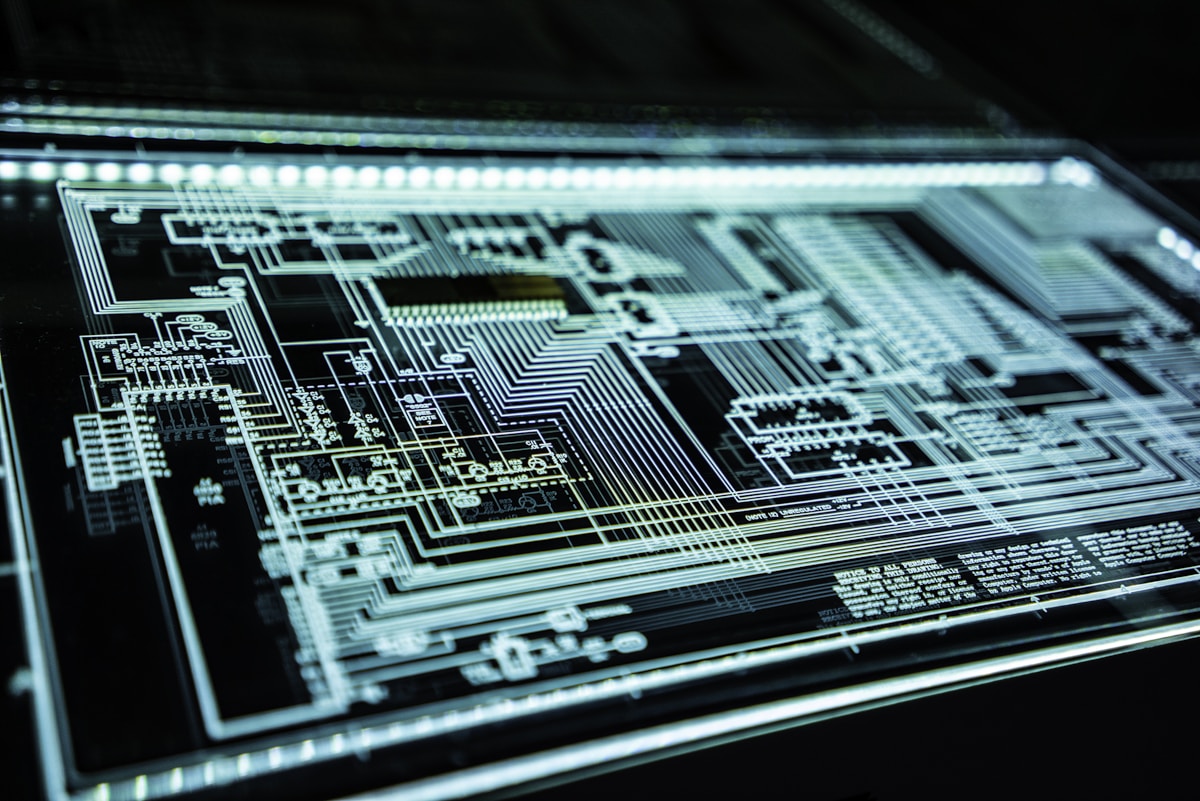
Gallium Nitride vs Silicon Carbide Performance Comparison: Navigating the Next Era of Power Electronics
Senior Technology Analyst | Covering Enterprise IT, AI & Emerging Trends
The Shift from Silicon to Wide Bandgap Materials
For over five decades, Silicon (Si) has been the bedrock of the semiconductor industry. However, as power density and energy efficiency requirements increase, Silicon is approaching its theoretical physical limits. The emergence of Wide Bandgap (WBG) materials—specifically Gallium Nitride (GaN) and Silicon Carbide (SiC)—has introduced significant advancements in power electronics. This Gallium Nitride vs Silicon Carbide performance comparison explores how these materials are improving efficiency across consumer electronics and industrial automotive sectors.
The fundamental difference between traditional Silicon and WBG materials lies in the energy required to move electrons from the valence band to the conduction band. Silicon has a bandgap of approximately 1.1 electronvolts (eV). In contrast, GaN and SiC possess bandgaps of approximately 3.4 eV and 3.2 eV, respectively. This wider gap allows these materials to withstand higher electric fields, operate at higher temperatures, and switch at faster speeds with lower energy losses compared to legacy Silicon components.
Understanding the Physics: Bandgap and Electron Mobility
Performance differences are driven by intrinsic material properties. Gallium Nitride is characterized by high electron mobility, which allows GaN transistors to switch at megahertz frequencies. High-frequency switching enables the use of smaller passive components, such as inductors and capacitors, reducing the overall footprint of the power system.
Silicon Carbide excels in thermal conductivity. SiC's ability to dissipate heat is approximately three times higher than that of Silicon. This makes SiC a primary candidate for high-voltage applications where thermal management is a critical constraint. The industry increasingly views these materials as complementary technologies that serve different requirements within the power spectrum.
Efficiency and Switching Speeds: The GaN Advantage
In the 100V to 650V range, GaN is a dominant material. Because GaN devices are typically High Electron Mobility Transistors (HEMTs), they do not exhibit the minority carrier recovery losses found in Silicon MOSFETs. This results in minimal reverse recovery charge, which reduces energy waste in high-speed switching applications.
In the consumer electronics market, the transition to compact USB-C chargers is a result of GaN integration. By switching at higher frequencies, internal transformer size can be reduced significantly while maintaining high efficiency ratings. In data centers, GaN-based power supply units (PSUs) allow for higher rack density, reducing the energy required for cooling and lowering the Total Cost of Ownership (TCO) for hyperscale facilities.
Voltage and Thermal Robustness: The SiC Stronghold
While GaN is utilized in lower voltage, high-frequency domains, Silicon Carbide is utilized for high-voltage environments, typically ranging from 650V to 3.3kV. SiC’s vertical device structure is robust for handling high current densities compared to the lateral structure of standard GaN-on-Silicon wafers.
The automotive industry utilizes SiC for power conversion. The integration of SiC MOSFETs into traction inverters has demonstrated improvements in electric vehicle range by reducing switching losses and increasing inverter efficiency at high loads. Furthermore, SiC’s thermal conductivity simplifies cooling system architecture, allowing for smaller radiators and pumps.
System-Level Integration and Economic Factors
SiC benefits from an established supply chain for high-power applications. Substrates are available in 6-inch and 8-inch diameters. GaN is primarily grown on Silicon substrates (GaN-on-Si), allowing manufacturers to leverage existing CMOS fabrication facilities to manage costs as volumes scale. While the lattice mismatch between GaN and Silicon has historically limited GaN to lower voltage applications, ongoing research into Vertical GaN aims to extend its use into the 1,200V range.
The Future of Hybrid Power Architectures
Complex systems, such as onboard chargers (OBC) for electric vehicles, are beginning to integrate both materials. A SiC-based stage may handle high-voltage DC-DC conversion, while a GaN-based stage handles high-frequency AC-DC rectification. This hybrid approach optimizes the specific strengths of each material: SiC’s thermal resilience and GaN’s switching efficiency.
In renewable energy applications, such as solar inverters, this integration is vital. String inverters using SiC can operate at higher voltages with reduced heat sink requirements, while GaN-based micro-inverters can be utilized to maximize energy harvest through high-speed Maximum Power Point Tracking (MPPT).
Conclusion
The comparison between Gallium Nitride and Silicon Carbide reveals two materials transforming power electronics. GaN is established in speed and miniaturization for low-to-mid power applications, while SiC is the standard for high-voltage industrial and automotive environments. As manufacturing techniques refine, the integration of these next-generation power semiconductors will drive global transitions toward more energy-efficient infrastructure.
"This article was AI-assisted and reviewed for factual integrity.
Photo by Unsplash on Unsplash
Post a Comment