The Millisecond Wall: Defining Latency Thresholds for Real-Time Neural Sensory Integration in Bionic Limbs
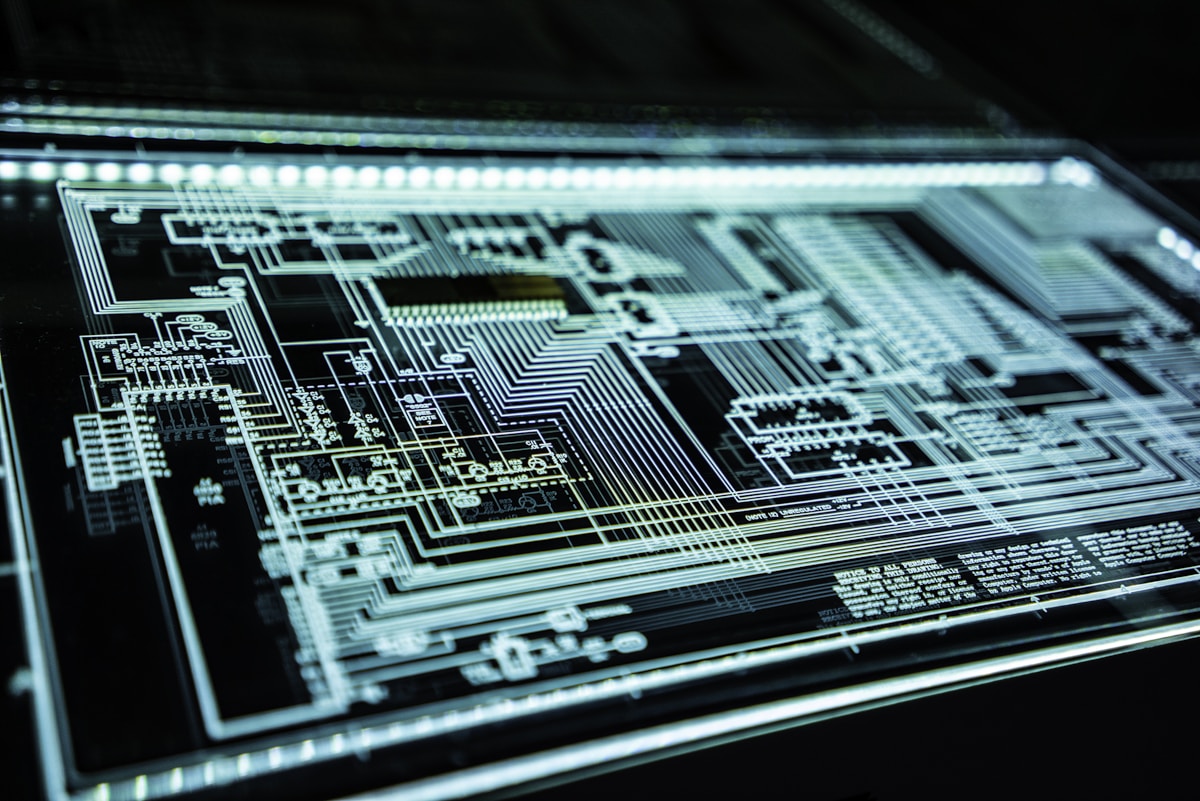
The Millisecond Wall: Defining Latency Thresholds for Real-Time Neural Sensory Integration in Bionic Limbs
Senior Technology Analyst | Covering Enterprise IT, Hardware & Emerging Trends
The Illusion of Seamlessness
Marketing claims regarding 'natural' bionic integration often overlook the complexities of signal propagation and neuroplastic adaptation. We are currently facing a bottleneck where hardware capabilities exceed the integration speed of the human nervous system. If the feedback loop is insufficient, the brain may fail to integrate the limb as an extension of the self.
The Critical Latency Thresholds
The industry standard for latency thresholds for real-time neural sensory integration in bionic limbs focuses on achieving proprioceptive transparency. To approach this, the round-trip time (RTT) from the mechanical sensor to the somatosensory cortex must be minimized.
- Low Latency: The brain is more likely to integrate the signal as internal proprioception.
- Moderate Latency: The user perceives the limb as a high-precision instrument, but requires cognitive overhead to manage the delay.
- High Latency: The feedback loop is effectively broken, leading to sensory-motor mismatch and rapid user fatigue.
When we examine Neuro-Haptic Feedback Loops in High-Precision Robotic Prosthetics, we see that the bottleneck involves the electrochemical delay at the electrode-tissue interface.
Hardware and Protocol Bottlenecks
Modern prosthetic architectures rely on high-bandwidth SPI and custom LVDS protocols to move data. However, the conversion from digital binary to neural pulse-width modulation (PWM) can introduce jitter.
The Signal Processing Stack
- Edge Inference: Localized NPU processing on the limb is increasingly used to eliminate backhaul latency to external controllers.
- Electrode Impedance: High-density CMOS-integrated neural probes are being developed to reduce the capacitive lag inherent in traditional wire-based interfaces.
- Feedback Protocols: Asynchronous event-based encoding is being explored to replace traditional frame-based sensor polling to reduce processing overhead.
The Human-in-the-Loop Reality Check
The engineering challenge is synchronicity. If sensory feedback arrives after the motor command is initiated, the cerebellum may trigger a predictive error. Users report a sensation of 'heaviness' or 'detachment' when the brain experiences temporal misalignment between motor intent and sensory feedback.
The Next 18 Months: The Shift to Predictive Modeling
We are entering an era of predictive neuro-haptics. The next generation of prosthetic firmware aims to use predictive models to anticipate the tactile outcome of a grip before physical contact is confirmed. By anticipating the sensory response, developers aim to mask the physical latency of the hardware. The focus is shifting from raw throughput to temporal alignment.
Post a Comment